8:00 a.m. - 8:45 a.m.
Media Tech & AI Conference
The future of media will be shaped by the decisions made over the next year or two. The INMA Media Tech & AI Conference brings together the people building the technologies, defining the standards, and leading the experiments that are reshaping the industry. Over two days, media executives will hear directly from frontier AI companies, technology platforms, publishers, researchers, and innovators tackling the biggest strategic and operational questions facing news organisations today. Every session is designed to move beyond hype, providing practical insight into where AI is heading, what publishers should do now, and how to build organisations that can thrive in an AI-first future.
Thursday, October 22
Today's theme: Shaping the new news economy — Audiences, value, and control
8:45 a.m. - 9:15 a.m.
Welcome and introductions

Earl J. Wilkinson
Executive Director and CEO, INMA

Jodie Hopperton
Conference Curator, Product & Tech Initiative Lead, INMA
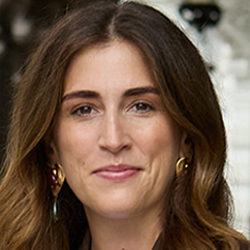
Kerstin Hasse
Conference Co-Moderator, Young Audiences Initiative Lead, INMA

Robert Whitehead
Conference Co-Moderator, Digital Plaform Initiative Lead, INMA
9:15 a.m. - 10:00 a.m.
Keynote: How to save the media
In this keynote conversation, Hamish McKenzie, co-founder and Chief Writing Officer of Substack, will explore the ideas behind his forthcoming book, How to Save the Media, and what they mean for publishers navigating technology, changing audience behavior, and a rapidly shifting media economy. He will discuss what is broken in today’s media ecosystem, why direct relationships matter more than ever, and where new opportunities may lie for independent publishers and media institutions alike.
Speaker

Hamish McKenzie
Co-founder and CEO, Substack
10:00 a.m. - 10:30 a.m.
When AI starts writing the internet
AI-generated content is rapidly becoming part of the fabric of the open web and social media, changing not just how much content is created but the character of the internet itself. New research suggests AI-written material may already be narrowing the diversity of ideas and shifting the tone of online discourse, while challenging some of our assumptions about what else it is doing. This session steps back from individual tools and use cases to explore what happens when machines increasingly create the information environment that humans, and other machines, learn from.
Speaker
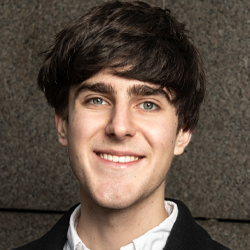
Maty Bohacek
Researcher at Stanford University, ex DeepMind
10:30 a.m. - 11:10 a.m.
Networking break
11:10 a.m. - 11:40 a.m.
Frontier intelligence at Anthropic
Lucas sits at the intersection of research, infrastructure, and shipped product. In this session, he offers a rare look into a frontier lab.. For media executives, the value is understanding which capabilities are real today versus still emerging, and what lessons from frontier labs can be applied to their own AI product and organisational strategies.
Speaker

Lucas Gonzalez Pagliere
Member of Technical Staff, Anthropic
11:40 a.m. - 12:10 p.m.
The NBA: Building the AI-powered fan experience
The National Basketball Association is rethinking what a personalized media product looks like in an AI-driven world. In this session, we’ll explore how the NBA is tailoring content experiences around fan behavior, geography, time zones, and subscription intent — from spoiler-free modes and condensed highlight formats for European audiences to personalized journeys based on favorite teams, players, and viewing habits. For media companies navigating increasingly fragmented and global audiences, the NBA offers a compelling example of how AI can reshape consumer engagement.
Speaker
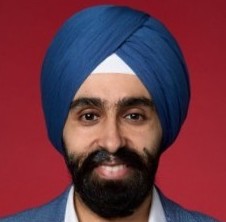
Satwant Singh
Senior Vice President & Head of Monetization, NBA
12:10 p.m. - 12:40 p.m.
Best practices for reaching news audiences on TikTok
Whether you've never opened the app or are a TikTok power user, you will learn something new during this session. The TikTok News Publisher and Creator teams will walk attendees through how to build a TikTok strategy. You'll leave with actionable skills to reach new audiences and tell stories in formats built for today's readers and viewers.
Speakers

Mac Bennet
Head of News Creator Partnerships & Operations, TikTok
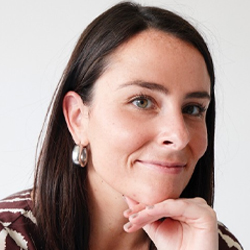
Olivia Weiss
News Partnerships Manager, TikTok
12:40 p.m. - 2:00 p.m.
Lunch
2:00 p.m. - 2:30 p.m.
Could AI agents save media?
For four years, this industry has been told AI will finish it off. James argues the opposite: AI agents are the best thing to happen to media in thirty years. As readers' agents start to decide and pay on their behalf, publishers can finally price the decision, not the access. James sets out the three questions that will decide who wins.
Speakers
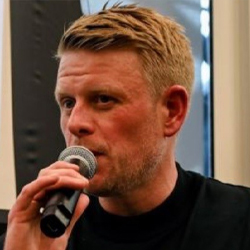
James Henderson
Founder and CEO, MonetizationOS
2:30 p.m. - 3:00 p.m.
Microsoft's content marketplace: What publishers need to know
Jocelyn Lee offers a candid look at how Microsoft values publisher content in its AI ecosystem — cutting through the noise on what's realistic, what's coming, and where the real opportunities lie for news organisations.
Speaker

Jocelyn Lee
Director, Publisher Partnerships, Microsoft
3:00 p.m. - 3:30 p.m.
From AI experimentation to profitable growth
As barriers to AI experimentation fall, publishers can test, build, and iterate faster and at lower cost. AWS’ Eyal Knoll explores how to build the business case around real demand signals and costs — and the emerging opportunity to make bots, agents, and LLMs pay for the content they consume.
Speaker

Eyal Knoll Wel Roth
Monetisation in Media, EMEA Industry Specialist, AWS
3:30 p.m. - 4:00 p.m.
Networking break
4:00 p.m. - 5:00 p.m.
The standards that will shape AI’s future
The future of publisher control in AI will be determined not by lawsuits alone, but by the standards that govern how content is identified, accessed, licensed, and used. The challenge is that many media leaders are making strategic decisions without visibility into the technical frameworks underpinning them. This session will demystify the rapidly evolving standards landscape, explain why fragmentation is the enemy, and outline why publishers should support international, peer-reviewed approaches rather than competing national standards. Drawing on emerging work from the IAB Tech Lab and other industry initiatives, we’ll explore what media executives need to know now to develop practical AI governance, blocking, and content management strategies.
Speakers

David Buttle
Co-Lead, SPUR

Doug Leeds
Co-Founder, RSL

Hillary Slattery
Senior Director and CoMP program manager, IAB techLab
5:00 p.m. - 5:15 p.m.
Today’s wrap up and closing thoughts
5:15 p.m. - 7:00 p.m.
Cocktails and canapés
Friday, October 23
Today's theme: Making AI work — Operational reality, products, and people
8:00 a.m. - 8:30 a.m.
Welcome coffee
8:30 a.m. - 8:45 a.m.
Opening remarks
Speakers
Kerstin Hasse
Conference Co-Moderator, Young Audiences Initiative Lead, INMA
Robert Whitehead
Conference Co-Moderator, Digital Plaform Initiative Lead, INMA
8:45 a.m. - 9:25 a.m.
Keynote: From the attention economy to the intention economy
Just as news organizations are getting to grips with the attention economy, AI is moving us into the intention economy where technology doesn’t simply capture what people look at, but understands what they want and acts on their behalf. One of the leading global economists in the AI news information ecosystem helps us think thoigh importnat questions: What does this shift mean for media, audiences and advertising? And what do news organizations need to reconsider now to remain valuable in an AI-mediated world?
Speaker

Shuwei Fang
Senior Fellow, CUNY and Co-founder, Signals at Scale
9:25 a.m. - 9:55 a.m.
A frustrated founder built her own “Brain Rot Bot” for all her paid subscriptions
Julie used to get her news from social media, but AI and algorithm changes decimated the usability of the existing platforms. Desperate for accurate and high-quality news, she spent hundreds of dollars on a traditional media subscription - but she hated it. She’s not alone. She used AI to build her own news software that aggregates all her paid subscriptions into the exact user experience she prefers - one that combines the accuracy of paid news with the ease and personalization of social media. This will be a live interview with a UX expert featuring a demo of her software and a general discussion about the frustrating aspects of using traditional media.
Speaker

Julie Young
Founder & CEO, Laurel
9:55 a.m. - 10:20 a.m.
Networking break
10:20 a.m. - 11:10 a.m.
Liquid content at scale: Designing once, publishing everywhere from articles to adaptive content
Content is no longer fixed, it flows across formats, interfaces, and experiences. This session takes a leading Liquid Content tool - Gemini Notebook (formerly NotebookLM) - to examine how to design content systems that adapt in real time, enabling publishers to move from static outputs to dynamic, multi-surface distribution.
Speakers
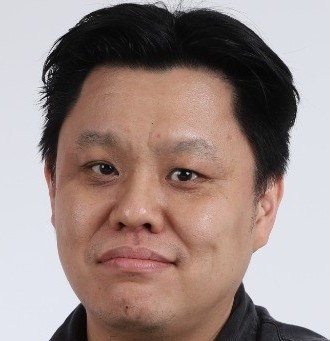
Alvin Chong
Supervising Editor, Growth and Innovation, Mediacorp
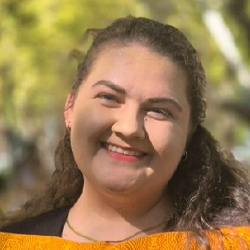
Sarah Hoek
Operations Manager (Strategic Projects), Daily Maverick

Steven Johnson
Co-Founder Gemini Notebook
11:10 a.m. - 11:40 a.m.
How big tech scales AI adoption internally
Tisé Ben-Eka will share practical lessons from her experience working across finance and AI enablement inside large technology companies, focusing on how teams adopt AI beyond engineering. The session will explore enablement, workflow change, and organisational adoption, with takeaways for media leaders navigating similar questions. She will speak in a personal capacity.
Speaker

Tisé Ben-Eka
Google (formerly Meta)
11:40 a.m. – 12:30 p.m
New ideas for news media
Not every breakthrough comes from a frontier AI lab. In this fast-paced session, three emerging companies will showcase practical products built specifically for news media. From workflow improvements to new audience experiences and business opportunities, each company will have a short window to demonstrate what they do, why it matters, and how publishers can put it to work today.
Speakers
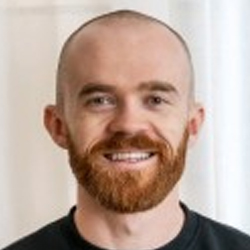
Sam Broadhead
Co-Founder, Sence
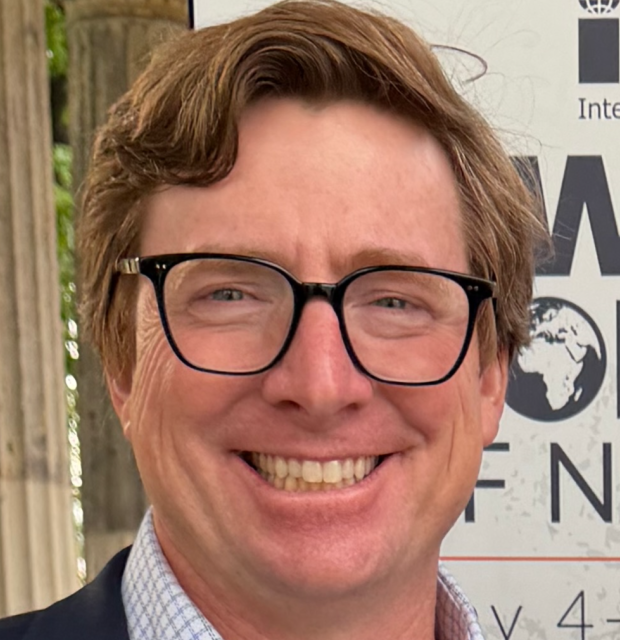
Joe Croney
Founder & CEO, HyperContent.AI

Huan Nguyen
Cofounder, Stardust

Stu Rogers
Co-Founder and CEO, Spread
12:30 p.m. - 1:45 p.m.
Lunch
1:45 p.m. - 2:15 p.m.
What we learned from doing an AI audit
What actually happens to premium journalism once it enters AI systems? Nine in Australia asked where their content is being surfaced (or sidelined) in AI summaries and answer engines. In this session we’ll explore how they went about their audit, surprises along the way, and what strategies they are implementing as a direct result. All with a focus on how you can benefit from their learnings and the questions you need to consider before chasing AI visibility.
Speaker

Mex Cooper
Head of Audience Development, Nine Publishing, Australia
2:15 p.m. - 2:45 p.m.
AI visibility, GEO, and the new publisher revenue mix
Every day, more content and brand discovery happens inside AI answers, and most publishers lack a clear picture of how they appear in them. GEO is quickly becoming the answer for this, powering everything from commerce and affiliate strategies to editorial and content decisions. None of it works without an accurate baseline and knowing where you actually appear today. The market is flooded with prompt-only tools that guess AI visibility from sample prompts, but those tools don't solve publishers' actual AI visibility needs. We'll hear directly from Paramount/CBS on how they evaluated various tools and landed on using the CDN-based integration to get a real, data backed picture of their AI visibility across answer engines today, what's driving those results, and how that changes the way they think about their content.
Speakers

Greg Love
VP of Partnerships, ScalePost

Maddie Shepherd
Director of SEO, CBS News
2:45 p.m. - 3:15 p.m.
Networking break
3:15 p.m. - 3:45 p.m.
Trust makes journalism valuable to machines and humans
In a world of synthetic content and automated systems, trust becomes a critical differentiator. This session explores how verification, provenance, and credibility signals shape both human trust and machine interpretation — and why this matters now.
Speakers
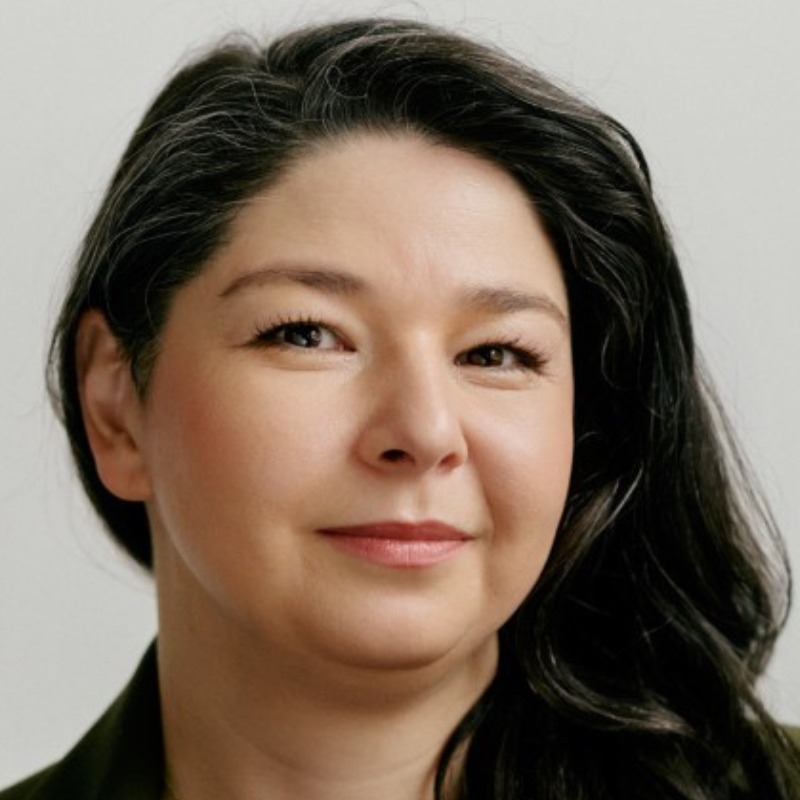
Maria Amelie
CEO and Founder, Factiverse, Norway

James Law
Editor in Chief, Storyful, United States
3:45 p.m. - 4:30 p.m.
AI learnings from US media companies
What does it actually take to move from experimentation to real-world impact with AI? This session brings together insights from the Lenfest AI Collaborative & Fellowship Program and OpenAI partnerships, sharing how leading U.S. publishers are building, testing, and scaling AI in practice. Hear what worked, what didn’t, and what surprised them — from early prototypes to newsroom-ready tools. You’ll leave with practical frameworks, lessons learned, and ideas you can apply immediately in your own organisation.
Speakers

Sarah Darby
VP of Data and Analytics, Chicago Public Media (USA)
Chase Davis
The Lenfest Institute (USA)

Kevin Hoffman
AI Fellow, Philadelphia Inquirer (USA)
4:30 p.m. - 5:00 p.m.
The Debrief: Conference conclusions and live podcast
Speakers

Jodie Hopperton
Conference Curator, Product & Tech Initiative Lead, INMA
Kerstin Hasse
Conference Co-Moderator, Young Audiences Initiative Lead, INMA
Robert Whitehead
Conference Co-Moderator, Digital Plaform Initiative Lead, INMA
Individual Registrations
REGISTER ONLINEGroup Registrations
REGISTER YOUR GROUP ONLINESupporters




Join the INMA community at the Media Tech & AI Week by connecting with people face-to-face and sponsoring.
Click here to see sponsoring options (PDF).