

Sydney Morning Herald expands into underserved communities, subscriptions leap within months
Satisfying Audiences Blog | 07 June 2026

Greater Western Sydney is an economic, demographic, political, and cultural colossus that will shape the future of Australia’s largest city. The 9,000-square-kilometres region is home to 2.6 million people and is the country’s third-largest economy.
As it continues to grow, so does its prominence in the news. This includes a new international airport, the construction of Powerhouse Parramatta (the largest cultural investment in Sydney since the Opera House), significant housing developments, and the expansion of public transport networks.
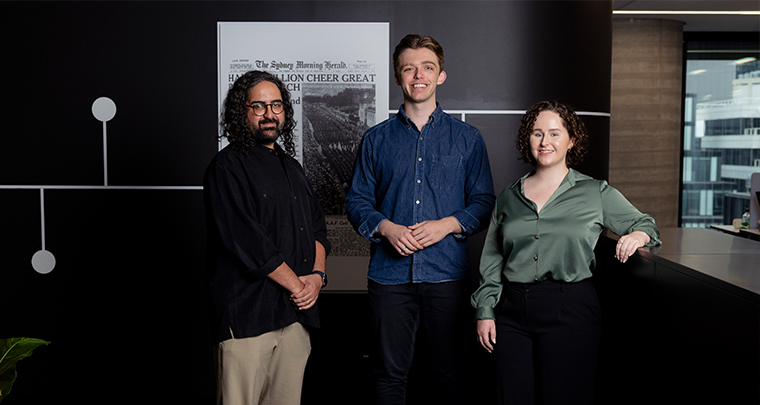
Bucking a national trend of industry contraction, in 2025, the Herald announced a plan to expand its presence into Parramatta — the geographical heart of Sydney. The newsroom argued that developments playing out in western Sydney could no longer be adequately covered from the city offices in North Sydney.
Why Parramatta?
Parramatta is booming. Nearly half a million people are expected to live in Parramatta by 2040. If you include the 22 surrounding suburbs, the population will grow 73% to 892,000.
The goal of the bureau is to expand the Herald’s readership into this growing region of Sydney, primarily through attracting new readers and ultimately converting them into subscribers.
The new bureau
The bureau launched in April 2025 with a chief and two reporters.
Backed by a strong marketing campaign, the bureau led a grassroots campaign of networking in the region, ensuring they were reporting from within the community and not just on it. They developed a strong social media presence, publishing street-level videos, and recently started connecting with local readers directly via WhatsApp.
Bureau chief Anthony Segaert said it was crucial for the team to embed itself in the community. “The three of us live in different parts of the west, and have different connections and interests,” he said. “But we all want our readers, our sources, and our communities to know that we’re invested in their lives and suburbs, and want to help raise their voice across the city.”
The team started having coffees and catch-ups with community groups, developing relationships that not only led to story tips, but ensured those stories were told from these local cultural perspectives.
In its first year, the bureau was responsible for 181 stories, with a strong focus on Parramatta Council and urban development. These topics are commonly reported on by Sydney newsrooms but often with a focus on inner-city or east coast suburbs.
However, there has also been attention given to city life, with stories offering colour and personal identities from western Sydney, such as a look inside an abandoned theatre or a profile on an influencer dubbed Sydney’s most irritating (or popular) gardener.
“(We are) treating western Sydney like home, not a foreign bureau. I think readers have come to notice the difference,” Segaert said.
Building the audience
The bureau’s focus on attracting new readership has required a targeted paywall strategy that made the most of conversion opportunities from big exclusives, but also gave non-subscribers access to enough stories to understand the value on offer.
The bureau quickly developed a strong following from Herald readers. The articles far surpassed traffic expectations, satisfying existing Herald subscribers, finding new audience, and converting readers into subscribers.
A review taken a few months after the bureau launched of the postcodes where Herald digital subscribers reside saw a significant increase in Parramatta and the surrounding suburbs compared to a year earlier. Parramatta itself saw a 18% increase in subscribers while Auburn rose by 22%. Penrith and Granville both saw a 14% increase.
Targeting a growing geographic region was originally pursued as a new audience opportunity, but along the way we discovered our existing subscribers also appreciated the extended coverage of our city. The bureau’s success paves the way for further exploration of areas that offer the chance for us to grow and deliver journalism that matters to underserved communities.
Related Articles
-

WSJ executive councils show how publishers build communities th...
19 October 2026 -

Bundling is a pricing decision, rebundling is an organisational...
18 October 2026 -

5 lessons from the INMA Young Audiences Summit
28 September 2026 -

AI’s effect on super user math
15 September 2026 -

What I told 40 CEOs (and won’t gatekeep from you)
30 August 2026 -

At Mediacorp’s CNA, loyalty means giving audiences a reason to ...
20 August 2026 -

Indian Express builds a video-first future around trusted journ...
20 July 2026 -

Economist launches subscription tier targeting younger audience...
20 July 2026
Upcoming Events
-

Subscriber Acquisition Master Class
10-17 November 2026
-

Media Advertising Summit
New York, United States
07-10 December 2026
-

AI-Native News Product Master Class
18-25 February 2027
-

Media Subscriptions Summit
Oslo, Norway
08-12 March 2027
-

World Congress of News Media
New York, United States
25-30 April 2027
-

Branded Content & Partnerships Master Class
20-27 May 2027
-

Subscriber Retention Master Class
17-24 June 2027
-

Conferencia Latinoamericana
15-16 July 2027
-

South Asia News Media Festival
New Delhi, India
19-22 July 2027
-

Asia/Pacific News Media Summit
19-20 August 2027
-

CEO Roundtable at Kilkenny
Kilkenny, Ireland
24-26 August 2027
-

Media Innovation Week
Amsterdam, The Netherlands
27 September - 01 October 2027








