

WSJ executive councils show how publishers build communities that matter
Media Leaders | 19 October 2026

Corporate executives often say some version of the same thing: “I want to understand what others are doing.”
That desire is symptomatic of a turbulent business environment in which companies and their leaders struggle to understand the world around them and make decisions about their strategy. No one wants to be out of the loop on the latest thinking, potentially leading to a poor decision.
It also shows that, in a world awash in information, face-to-face interactions have taken on additional value.
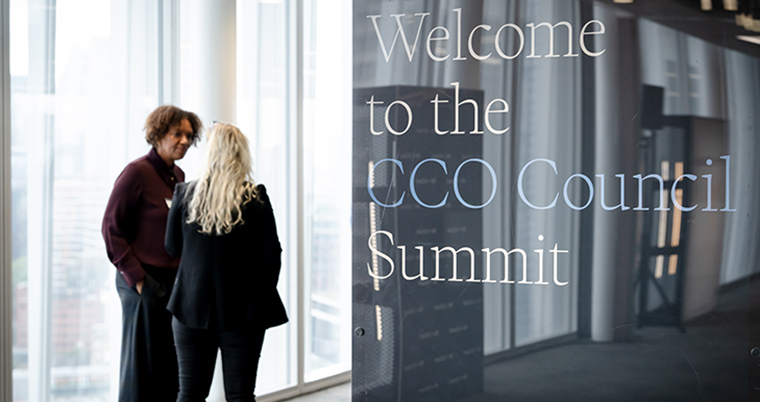
The desire among executives to hear from others is especially acute when it comes to geopolitical risk. This form of risk is a particular source of perplexity because it can change suddenly — through an abrupt policy shift, for example, or a company being vilified by a politician — and because it can affect all of a company’s activities, from marketing to compliance and operations to strategy.
This is a big part of why we launched the WSJ Geopolitical Risk Council under the WSJ Leadership Institute.
More broadly, publishers have an opportunity to do more than deliver information. They can create spaces where executives interpret events together, compare approaches, and make better decisions. But communities succeed only when the experience is relevant, useful, and trustworthy enough to justify a place in an already crowded working day.
These are some key points I’ve learned from launching and chairing two Wall Street Journal executive councils.
Start with the member’s workflow
Community experiences should fit the way executives work.
Business professionals want information in different forms: e-mails for news, long-form analysis for deeper reading, data for context or a specific action, and focused gatherings for testing an approach with peers.
Publishers can serve multiple needs as they become more embedded in their audience’s workflow.
Make peer exchange genuinely useful
Every interaction should serve a clear purpose, connecting briefings, discussions, and meetings to the live questions members are trying to answer.
Communities can bring together people who see the same risk from different angles. For example, geopolitical issues may sit variously with the chief executive, general counsel, chief financial officer, head of public affairs, and strategy team.
Bringing together leaders with different responsibilities reflects how companies must now manage interconnected risks; treating them as one department’s concern can leave the wider business exposed.
Publishers can strengthen this exchange by providing the content and expert convening that anchor discussions, while participation by their journalists and analysts reinforces the value of their publications.
Build trust by keeping the experience independent
For senior audiences, relevance and trust go hand-in-hand. Events and discussions need to be specific to members’ interests, responsive to current developments, and free from commercial bias. Communities may inform future products or services, but commercial outcomes should remain secondary.
Opportunities emerging from a consistently useful experience may follow organically. They never determine the agenda or make participation feel like a sales exercise.
Let audience demand shape what comes next
A community can also be a source of strategic insight. The questions members raise and subjects that draw sustained participation can reveal where a wider audience needs help.
We launched the WSJ Chief Compliance Officer Council in 2024 as the role became increasingly central to managing enterprise risk. Interest in geopolitical risk discussions at broader executive gatherings helped inform the development of the Geopolitical Risk Council.
A practical test for publishers
The case for publisher-led communities is not that they create another channel for distributing content. It is that they help executives interpret complexity alongside people dealing with similar questions.
For every proposed experience, publishers should ask:
- Is it relevant to an issue members are dealing with now?
- Does it offer something difficult to obtain elsewhere?
- Can members apply what they learn to their day-to-day work?
- Is it independent enough to earn their trust?
If the answer is yes, a community has a reason to exist. If not, another event, briefing, or platform is unlikely to create lasting engagement.
The most effective and lasting communities will be designed around usefulness rather than visibility. They will respect executives’ time, create room for informed peer exchange, and help people move from awareness to understanding — and from understanding to action.
Related Articles
-

African publishers show the world where audience development is...
8 October 2026 -

Arena Holdings learns reaching millions isn’t the same as servi...
8 October 2026 -

7 themes from Madrid show publishers trading traffic for relati...
28 September 2026 -

5 lessons from the INMA Young Audiences Summit
28 September 2026 -

The Inquirer, Maeil ask: Is our content useful?
23 September 2026 -

AI’s effect on super user math
15 September 2026 -

What I told 40 CEOs (and won’t gatekeep from you)
30 August 2026 -

At Mediacorp’s CNA, loyalty means giving audiences a reason to ...
20 August 2026
Upcoming Events
-

Subscriber Acquisition Master Class
10-17 November 2026
-

Media Advertising Summit
New York, United States
07-10 December 2026
-

AI-Native News Product Master Class
18-25 February 2027
-

Media Subscriptions Summit
Oslo, Norway
08-12 March 2027
-

World Congress of News Media
New York, United States
25-30 April 2027
-

Branded Content & Partnerships Master Class
20-27 May 2027
-

Subscriber Retention Master Class
17-24 June 2027
-

Conferencia Latinoamericana
15-16 July 2027
-

South Asia News Media Festival
New Delhi, India
19-22 July 2027
-

Asia/Pacific News Media Summit
19-20 August 2027
-

CEO Roundtable at Kilkenny
Kilkenny, Ireland
24-26 August 2027
-

Media Innovation Week
Amsterdam, The Netherlands
27 September - 01 October 2027








